

Walking for Weight Loss for Beginners: 7 Simple Steps That Actually Feel Doable
Walking can help with weight loss when you do it consistently, build up slowly, and pair it with simple food habits.
Start with 10–15 minutes a day, then work toward 30 minutes of brisk walking most days of the week.
Walking for weight loss does not have to feel extreme, painful, or confusing.
You do not need a gym membership.
You do not need expensive equipment.
You do not need to run.
For many beginners, walking is one of the easiest ways to start moving more, burn extra calories, improve stamina, and build a routine that actually lasts.
The best part?
Walking feels doable.
You can start small, go at your own pace, and improve week by week without feeling like you are forcing yourself into a hard workout plan.
In this beginner guide, you will learn 7 simple steps to use walking for weight loss in a realistic way.
This guide on walking for weight loss for beginners is made for anyone who wants a simple, low-pressure way to start moving more.
If you are also working on hydration, try our water intake calculator to estimate your daily water needs.
Quick Answer: How Should Beginners Start Walking for Weight Loss?
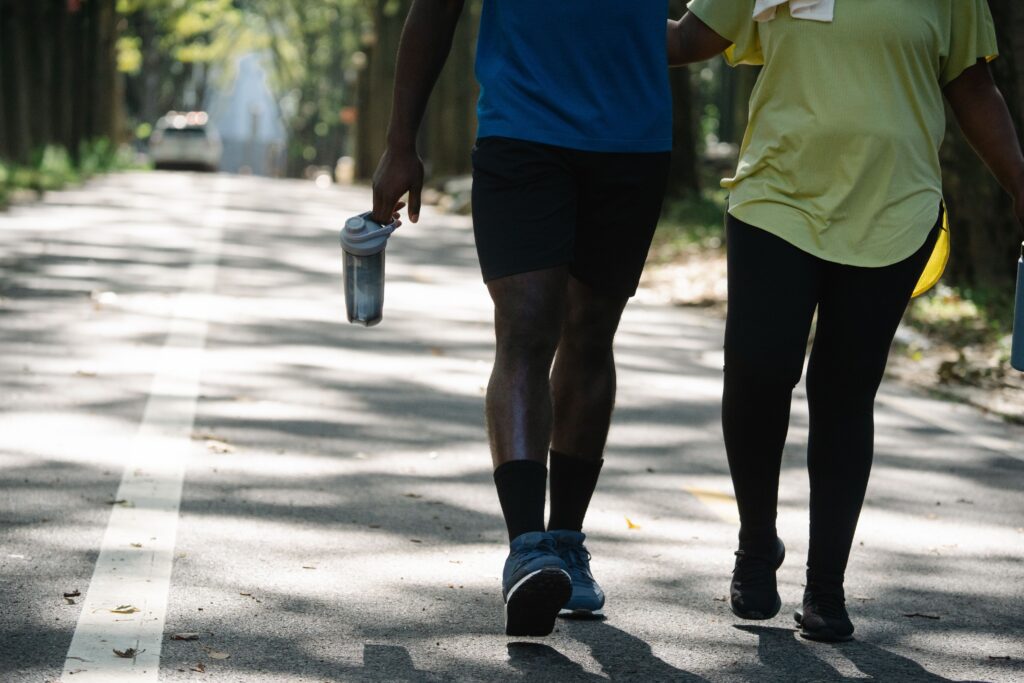
Beginners should start with short, comfortable walks and slowly increase time, pace, and consistency.
A simple starting goal is:
| Beginner Level | Walking Time | Frequency | Goal |
|---|---|---|---|
| Very new beginner | 10 minutes | 4–5 days/week | Build habit |
| Beginner | 15–20 minutes | 5 days/week | Improve stamina |
| Comfortable beginner | 25–30 minutes | 5 days/week | Support weight loss |
| Progressing beginner | 30–45 minutes | 5–6 days/week | Burn more calories |
For general health, adults are often advised to aim for 150 minutes of moderate-intensity activity per week, such as brisk walking. That can be done as 30 minutes a day, 5 days a week.
But if you are new, do not jump straight into a big goal.
According to the CDC, adults can aim for 150 minutes of moderate activity per week, and brisk walking can count toward that goal.
Start where you are.
The best part about walking for weight loss for beginners is that you can start small and improve slowly.
Why Walking Works for Weight Loss
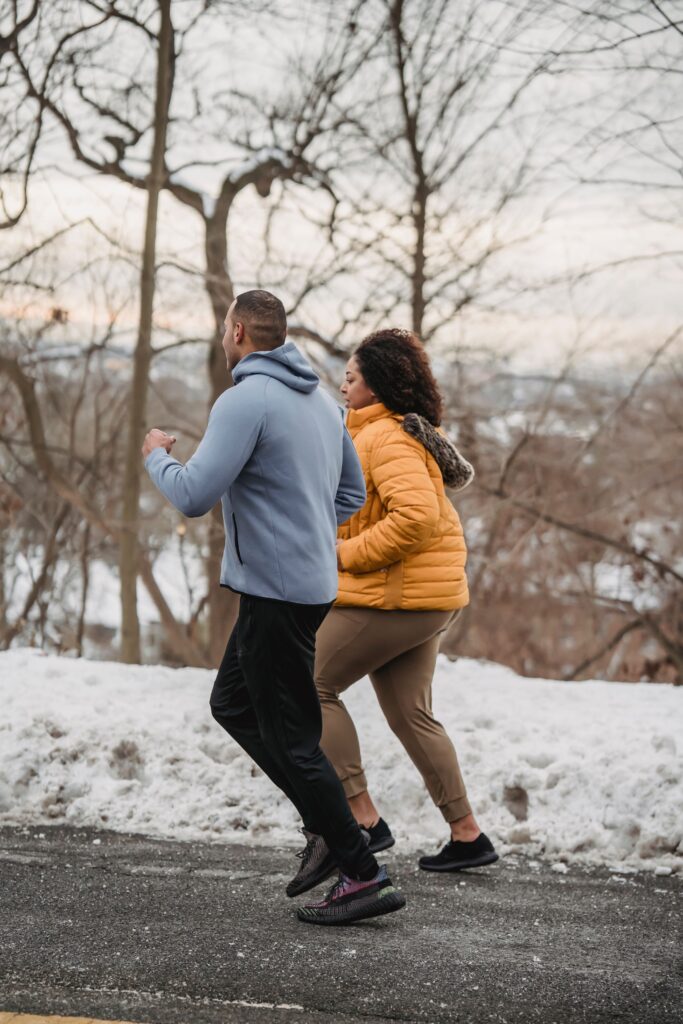
Walking helps with weight loss because it increases your daily movement.
Weight loss usually happens when your body uses more energy than you consume over time. Walking can support that by helping you burn extra calories in a simple, low-impact way.
Mayo Clinic explains that adding 30 minutes of brisk walking to your day may burn about 150 extra calories, depending on your body size, pace, and effort.
That may not sound huge at first.
But small actions repeated daily can create real progress.
Walking also helps because it is easier to repeat than very intense workouts. Many people quit hard routines because they feel too difficult. Walking is different. It fits into normal life.
You can also read our guide on how much water should you drink daily if you want a simple hydration routine.
You can walk:
- After breakfast
- During lunch break
- After dinner
- While listening to music
- With a friend
- On a treadmill
- Around your neighborhood
- At a park
- Inside a mall
- While taking phone calls
This makes walking one of the most beginner-friendly ways to start a weight loss journey.
Benefits of Walking for Weight Loss Beginners
Walking is simple, but it can still be powerful.
Here are the main benefits:
- Helps burn extra calories
- Supports fat loss when paired with good food habits
- Improves heart health
- Builds stamina
- Reduces sitting time
- Supports better mood
- Helps improve consistency
- Feels easier on joints than running
- Can be done almost anywhere
- Does not require special equipment
For beginners, the biggest benefit is not just calorie burn.
The biggest benefit is habit building.
Once walking becomes part of your daily routine, it becomes easier to add other healthy habits.
For beginners, the best time to drink water is usually spread throughout the day instead of drinking too much at once.
Walking for Weight Loss for Beginners: Simple Weekly Plan
Step 1: Start With a Small Walking Goal
The biggest beginner mistake is starting too hard.
Many people decide:
“I will walk 1 hour every day.”
Then after three days, they feel tired, sore, or bored.
A better plan is to start small.
When it comes to walking for weight loss for beginners, a 10-minute walk is a strong starting point.
Beginner starting goal:
Walk for 10 minutes a day.
That’s it.
Not 10,000 steps.
Not 1 hour.
Not a perfect fitness plan.
Just 10 minutes.
Why?
Because 10 minutes feels easy enough to repeat.
The NHS notes that even a brisk 10-minute daily walk can provide health benefits and count toward weekly activity goals.
If you walk in the morning, you may also like this morning water routine to start your day with better hydration.
Simple example:
If you are completely new, try this:
| Day | Goal |
|---|---|
| Monday | 10-minute walk |
| Tuesday | 10-minute walk |
| Wednesday | Rest or easy walk |
| Thursday | 10-minute walk |
| Friday | 10-minute walk |
| Saturday | 15-minute walk |
| Sunday | Rest |
This may look too simple.
But simple is good.
Simple gets done.
Step 2: Choose a Walking Time You Can Actually Keep
The best walking time is not always morning.
The best walking time is the one you can repeat.
Some people love morning walks because they feel fresh and calm. Others do better after dinner because it fits their schedule.
Do not force a walking routine that does not match your life.
A realistic schedule makes walking for weight loss for beginners easier to follow long term.
Best walking times for beginners
| Walking Time | Best For | Possible Downside |
|---|---|---|
| Morning walk | Energy, routine, fresh start | Hard if you wake up late |
| Lunch walk | Break from sitting | Limited time |
| Evening walk | Stress relief, after work | May feel tired |
| After dinner walk | Digestion support, relaxing | Too late for some people |
| Treadmill walk | Weather-proof option | Can feel boring |
My recommendation
Start with the time you are least likely to skip.
If your mornings are busy, walk after dinner.
If your evenings are unpredictable, walk in the morning.
If weather is a problem, use a treadmill or indoor walking.
The goal is not perfection.
The goal is repeatability.
Step 3: Walk at a Comfortable Pace First
Many beginners think they must walk fast from day one.
Not true.
At the start, your first goal is to build the habit.
Walk at a pace where you can still talk.
This is often called a moderate pace.
For walking for weight loss for beginners, pace matters, but consistency matters more.
Easy pace test:
- If you can talk comfortably, your pace is easy.
- If you can talk but not sing, your pace is brisk.
- If you cannot speak in full sentences, you may be going too hard.
For weight loss, brisk walking can help burn more calories than slow walking.
But you do not need to rush.
Start comfortable.
Then slowly increase pace.
Beginner pace plan:
| Week | Walking Style |
|---|---|
| Week 1 | Comfortable pace |
| Week 2 | Comfortable pace with 1–2 brisk minutes |
| Week 3 | More brisk walking |
| Week 4 | Mostly brisk, but still manageable |
A good walking plan should feel challenging but not punishing.
If you feel exhausted after every walk, slow down.
Step 4: Build Up to 30 Minutes Slowly
For many beginners, 30 minutes of walking is a strong goal.
The CDC gives 30 minutes a day, 5 days a week as an example of reaching 150 minutes of moderate activity weekly.
But you do not need to start there.
Build toward it.
The goal of walking for weight loss for beginners is to slowly build toward longer walks without feeling overwhelmed.
4-week beginner walking plan
| Week | Time Per Walk | Days Per Week | Weekly Total |
|---|---|---|---|
| Week 1 | 10 minutes | 5 days | 50 minutes |
| Week 2 | 15 minutes | 5 days | 75 minutes |
| Week 3 | 20 minutes | 5 days | 100 minutes |
| Week 4 | 25–30 minutes | 5 days | 125–150 minutes |
This is realistic for most beginners.
You are not shocking your body.
You are training your routine.
What if 30 minutes feels too long?
Split it.
You can do:
- 10 minutes in the morning
- 10 minutes after lunch
- 10 minutes after dinner
Short walks still count.
This is very helpful if you are busy or get tired easily.
Step 5: Add Small Intensity Without Running
You do not need to run to lose weight.
Walking can become more effective by making small changes.
Easy ways to increase walking intensity:
- Walk a little faster
- Add hills
- Use stairs
- Walk on a slight treadmill incline
- Swing your arms
- Add short brisk intervals
- Walk a longer route
- Reduce long sitting time
Simple walking interval example:
Try this after you feel comfortable walking for 20 minutes:
| Minute | What to Do |
|---|---|
| 0–5 | Easy warm-up walk |
| 5–6 | Brisk walk |
| 6–8 | Easy walk |
| 8–9 | Brisk walk |
| 9–11 | Easy walk |
| 11–12 | Brisk walk |
| 12–17 | Comfortable walk |
| 17–20 | Cool down |
This makes walking more interesting.
It also helps you burn more energy without needing to run.
Important beginner tip
Do not add intensity every day.
Use brisk intervals 2–3 times per week.
On other days, keep the walk easy and relaxing.
Step 6: Pair Walking With Simple Food Habits
Walking helps.
But food still matters.
You can walk every day and still not lose weight if your food intake is much higher than your body needs.
That does not mean you need a strict diet.
It means you need simple food habits that support your walking routine.
Beginner-friendly food habits:
- Eat protein with each meal
- Add vegetables to lunch and dinner
- Drink water instead of sugary drinks
- Keep snacks simple
- Reduce late-night overeating
- Avoid eating just because you are bored
- Choose filling meals over tiny meals
- Keep portions realistic
Simple plate method
Use this easy plate idea:
| Plate Section | What to Add |
|---|---|
| Half plate | Vegetables or salad |
| Quarter plate | Protein like eggs, chicken, fish, tofu, beans, or Greek yogurt |
| Quarter plate | Carbs like rice, potatoes, oats, whole grain bread, or fruit |
| Small amount | Healthy fats like olive oil, avocado, nuts, or seeds |
This is easier than counting every calorie.
Example beginner meal day
| Meal | Simple Option |
|---|---|
| Breakfast | Eggs with toast and fruit |
| Lunch | Chicken salad bowl with rice |
| Snack | Greek yogurt or fruit |
| Dinner | Fish, potatoes, and vegetables |
| Drink | Water, tea, or no-sugar drinks |
Walking plus better food habits works better than walking alone.
Step 7: Track Progress Without Obsessing
Tracking helps, but do not let it control your mood.
Your weight can change because of water, salt, hormones, digestion, sleep, and stress.
So do not judge your progress only by the scale.
Better ways to track progress:
- Walking time
- Number of walks per week
- Step count
- Waist measurement
- Energy level
- Clothes fit
- Mood
- Stamina
- Sleep quality
Simple weekly tracking table
| Week | Walks Completed | Average Time | Energy Level | Notes |
|---|---|---|---|---|
| Week 1 | 4 walks | 10 min | Low/Medium/High | Started routine |
| Week 2 | 5 walks | 15 min | Low/Medium/High | Felt easier |
| Week 3 | 5 walks | 20 min | Low/Medium/High | Added brisk intervals |
| Week 4 | 5 walks | 30 min | Low/Medium/High | More confident |
Tracking your actions is often better than tracking only your weight.
Because actions are what you control.
Beginner Walking Plan for Weight Loss
Here is a simple 7-day walking plan you can use.
This simple plan is designed for walking for weight loss for beginners who need structure without pressure.
7-Day Beginner Walking Plan
| Day | Walking Goal | Intensity |
|---|---|---|
| Monday | 15 minutes | Easy |
| Tuesday | 20 minutes | Easy to moderate |
| Wednesday | 15 minutes | Easy |
| Thursday | 20 minutes | Add 2 brisk intervals |
| Friday | Rest or 10 minutes | Very easy |
| Saturday | 25 minutes | Moderate |
| Sunday | 15 minutes | Relaxed walk |
Repeat this plan for 2 weeks.
Then increase each walk by 5 minutes.
30-Minute Walking Plan for Beginners
Once you are ready for 30 minutes, use this structure:
| Time | Activity |
|---|---|
| 0–5 minutes | Slow warm-up |
| 5–20 minutes | Comfortable brisk walk |
| 20–25 minutes | Slightly faster pace |
| 25–30 minutes | Slow cool down |
This keeps the walk simple and safe.
No complicated routine needed.
How Many Steps Should Beginners Walk for Weight Loss?
You do not need to start with 10,000 steps.
That number can feel overwhelming for beginners.
A better approach is to start from your current step count.
Example:
If you currently walk 3,000 steps per day, aim for 4,000.
Then slowly build.
Step goal table
| Current Steps | Beginner Goal |
|---|---|
| 2,000/day | 3,000/day |
| 3,000/day | 4,000/day |
| 4,000/day | 5,000/day |
| 5,000/day | 6,000/day |
| 6,000/day | 7,000/day |
Small increases are easier to maintain.
Consistency matters more than chasing a perfect step number.
Walking Pace for Weight Loss: Slow or Brisk?
Both slow and brisk walking are useful.
Slow walking is good for starting.
Brisk walking is better for improving fitness and burning more energy.
Walking pace comparison
| Pace | How It Feels | Best For |
|---|---|---|
| Slow walk | Very easy | Rest days, beginners, recovery |
| Comfortable walk | Easy but active | Building habit |
| Brisk walk | Breathing faster but still controlled | Weight loss support |
| Fast walk | Challenging | Advanced beginners |
For weight loss, try to include brisk walking once your body feels ready.
But do not turn every walk into a hard workout.
That can lead to burnout.
Best Time to Walk for Weight Loss
There is no perfect walking time.
Morning walking is not magically better than evening walking.
The best time is the time you can do consistently.
Morning Walk for Weight Loss
A morning walk can help you start the day with movement.
It may also make you feel more active and focused.
Good for:
- People who like routine
- People who get busy later
- People who enjoy quiet mornings
Evening Walk for Weight Loss
An evening walk can help you relax after work or school.
It can also reduce the habit of sitting all evening.
Good for:
- Busy mornings
- Stress relief
- After-dinner movement
Walking After Dinner
Walking after dinner can be a gentle way to move instead of sitting right away.
Keep it easy.
You do not need a hard workout after eating.
Try 10–15 minutes at a relaxed pace.
Common Mistakes Beginners Make
Walking is simple, but beginners still make mistakes.
Mistake 1: Starting Too Hard
Do not go from zero walking to 60 minutes daily.
Start with 10–15 minutes.
Build slowly.
Mistake 2: Expecting Fast Weight Loss
Walking supports weight loss, but it is not instant.
Progress takes time.
You may notice better energy before you notice big scale changes.
One common mistake with walking for weight loss for beginners is expecting results too quickly.
Mistake 3: Eating More Because You Walked
Some people walk for 30 minutes and then eat extra snacks because they feel they “earned it.”
This can cancel out the calorie burn.
Eat normally and focus on balanced meals.
Mistake 4: Only Checking the Scale
The scale is only one measure.
Also track:
- Waist size
- Clothes fit
- Energy
- Walking stamina
- Mood
- Sleep
Mistake 5: Wearing Bad Shoes
Bad shoes can make walking uncomfortable.
Choose shoes that feel supportive and comfortable.
You do not need the most expensive pair.
You just need shoes that do not hurt your feet.
Mistake 6: Skipping Warm-Up
Start slow for the first 5 minutes.
This helps your body ease into the walk.
Mistake 7: Doing the Same Walk Forever
Your body adapts.
After a few weeks, increase one thing:
- Time
- Pace
- Distance
- Hills
- Intervals
Do not increase everything at once.
How Long Does It Take to See Results From Walking?
It depends on your consistency, food habits, sleep, stress, starting weight, and walking intensity.
Some beginners feel better within 1–2 weeks.
Weight changes may take longer.
You may first notice:
- Better stamina
- Less tiredness
- Better mood
- Better sleep
- Clothes fitting differently
- More daily energy
For visible weight loss, give your body several weeks.
Walking is not a quick trick.
It is a long-term habit.
And that is exactly why it works for many beginners.
Walking for Belly Fat: What Beginners Should Know
Walking can help reduce overall body fat over time.
But you cannot choose exactly where fat comes off first.
This means walking may support belly fat loss, but it does not directly “target” belly fat only.
The best approach is:
- Walk consistently
- Eat balanced meals
- Sleep enough
- Reduce sugary drinks
- Add strength training later
- Be patient
Avoid articles that promise “flat belly in 7 days.”
That is usually not realistic.
A better goal is to build habits that help your whole body get healthier.
Should You Walk Every Day?
You can walk daily if it feels comfortable.
But beginners do not have to walk every day.
A good starting routine is 4–5 days per week.
Rest days are okay.
Easy walks are okay.
Your body does not need punishment to improve.
Good weekly structure:
| Day Type | Example |
|---|---|
| Easy walking days | 2–3 days/week |
| Brisk walking days | 2–3 days/week |
| Rest or light movement | 1–2 days/week |
If you feel pain, dizziness, chest discomfort, or unusual shortness of breath, stop and speak with a healthcare professional.
Walking Outside vs Treadmill: Which Is Better?
Both can work.
Choose the one you enjoy more.
Outdoor Walking
Benefits:
- Fresh air
- More natural movement
- Better variety
- Free
- Less boring
Downside:
- Weather can be a problem
- Safety may depend on location
- Harder to control pace
Treadmill Walking
Benefits:
- Good for bad weather
- Easy to track time and speed
- Safer for some people
- Incline options
Downside:
- Can feel boring
- Requires access to a treadmill
Best choice for beginners
The best choice is the one you will actually do.
If you hate treadmills, walk outside.
If outdoor walking is not safe or comfortable, use a treadmill.
What to Wear for Walking
You do not need fancy workout clothes.
Wear clothes that feel comfortable and allow you to move.
Basic walking checklist:
- Comfortable shoes
- Breathable clothes
- Water bottle if walking longer
- Sunscreen if walking outside
- Hat or sunglasses in hot weather
- Light jacket in cold weather
- Phone for safety
For longer walks, avoid new shoes that may cause blisters.
Break them in slowly.
Simple Tips to Make Walking Less Boring
Boredom is one reason people quit.
Make your walks enjoyable.
Try:
- Listening to music
- Listening to podcasts
- Walking with a friend
- Choosing a new route
- Walking in nature
- Tracking your progress
- Taking photos
- Doing short walking challenges
- Using a step counter
- Walking at sunset or sunrise
The more enjoyable your walk feels, the easier it is to repeat.
Walking Motivation for Beginners
Do not wait to feel motivated.
Motivation comes and goes.
Build a routine that works even when you do not feel excited.
Use simple rules:
- Walk for 10 minutes even on low-energy days
- Keep your shoes visible
- Walk at the same time daily
- Prepare clothes the night before
- Track completed walks
- Make the goal easy enough to start
The hardest part is often putting your shoes on.
Once you start walking, it usually gets easier.
Mini Walking Challenges for Beginners
You can use small challenges to stay consistent.
5-Day Walking Challenge
| Day | Goal |
|---|---|
| Day 1 | 10 minutes |
| Day 2 | 12 minutes |
| Day 3 | 15 minutes |
| Day 4 | 15 minutes plus 2 brisk minutes |
| Day 5 | 20 minutes |
7-Day Step Challenge
| Day | Goal |
|---|---|
| Day 1 | Your normal steps |
| Day 2 | Add 500 steps |
| Day 3 | Add 500 more |
| Day 4 | Keep same |
| Day 5 | Add 500 steps |
| Day 6 | Longer relaxed walk |
| Day 7 | Easy recovery walk |
Small challenges keep walking fun without making it extreme.
Walking for Weight Loss and Water Intake
Hydration matters, especially if you walk in hot weather or sweat a lot.
You do not need to overdrink water.
Just drink enough to stay comfortable.
A simple habit is to drink water:
- Before your walk
- After your walk
- With meals
- When you feel thirsty
You can internally link this section to your water intake cluster.
Suggested internal anchor text:
- how much water should you drink daily
- water intake for weight loss
- signs you are not drinking enough water
This connects your new walking cluster with your existing hydration content.
Is walking for weight loss for beginners really effective?
Yes, walking for weight loss for beginners can be effective when you walk consistently, increase your time slowly, and support your routine with balanced meals.
Walking for Weight Loss and Beginner Nutrition
Walking works better when your meals support your goal.
Focus on simple meals instead of strict rules.
Best beginner foods to support walking goals
| Food Type | Examples | Why It Helps |
|---|---|---|
| Protein | Eggs, chicken, fish, Greek yogurt, tofu, beans | Helps you feel full |
| Fiber | Vegetables, fruits, oats, beans | Supports fullness |
| Smart carbs | Potatoes, rice, oats, whole grains | Gives walking energy |
| Healthy fats | Avocado, olive oil, nuts, seeds | Helps meal satisfaction |
| Water-rich foods | Cucumber, watermelon, oranges, soup | Supports hydration |
Do not remove all carbs.
Walking needs energy.
The goal is balance, not fear.
Schema-Friendly Section
Is walking good for weight loss for beginners?
Yes, walking is good for beginners because it is low impact, simple, and easy to repeat. It can help burn extra calories and support weight loss when combined with healthy eating habits.
How long should a beginner walk to lose weight?
A beginner can start with 10–15 minutes a day and slowly build toward 30 minutes most days of the week.
Is 30 minutes of walking enough for weight loss?
Thirty minutes of brisk walking can support weight loss, especially when done consistently and paired with balanced meals. More time or intensity may help, but beginners should build slowly.
Should I walk fast or slow to lose weight?
Start at a comfortable pace. As your stamina improves, add brisk walking because it burns more energy than slow walking.
Can walking reduce belly fat?
Walking can help reduce overall body fat over time, but it cannot target belly fat only. Combine walking with good food habits, sleep, and consistency.
Is morning walking better for weight loss?
Morning walking is helpful if it helps you stay consistent. But evening or after-dinner walks can also work. The best time is the time you can repeat.
How many days a week should beginners walk?
Beginners can start with 4–5 days per week. As walking becomes easier, they can increase to 5–6 days per week.
Conclusion: Start Small, Walk Often, Keep It Simple
Walking for weight loss for beginners does not need to be complicated.
You do not need to run.
You do not need to suffer.
You do not need to follow a perfect plan.
Start with 10 minutes.
Then build to 15.
Then 20.
Then 30.
Add brisk walking when you feel ready. Pair your walks with simple meals, enough water, and realistic tracking.
The secret is not walking perfectly.
The secret is walking consistently.
Walking for weight loss for beginners works best when you keep it simple, repeatable, and realistic.
A small walk today is better than a perfect workout you never start.
So put on comfortable shoes, choose a simple route, and take the first step.
Your beginner walking routine can start today.