

Dehydrated Oily Skin: 7 Signs Your Shine Is Actually a Cry for Water
Yes, oily skin can be dehydrated — and it’s more common than you think. Dehydrated oily skin happens when your skin lacks water (not oil), so it overproduces sebum to compensate, leaving you with a shiny surface that still feels tight, dull, and uncomfortable underneath.
If you’ve been fighting shine with oil-stripping products and your skin just keeps getting oilier, this article explains exactly why — and how to fix it for good.
What Is Dehydrated Oily Skin?
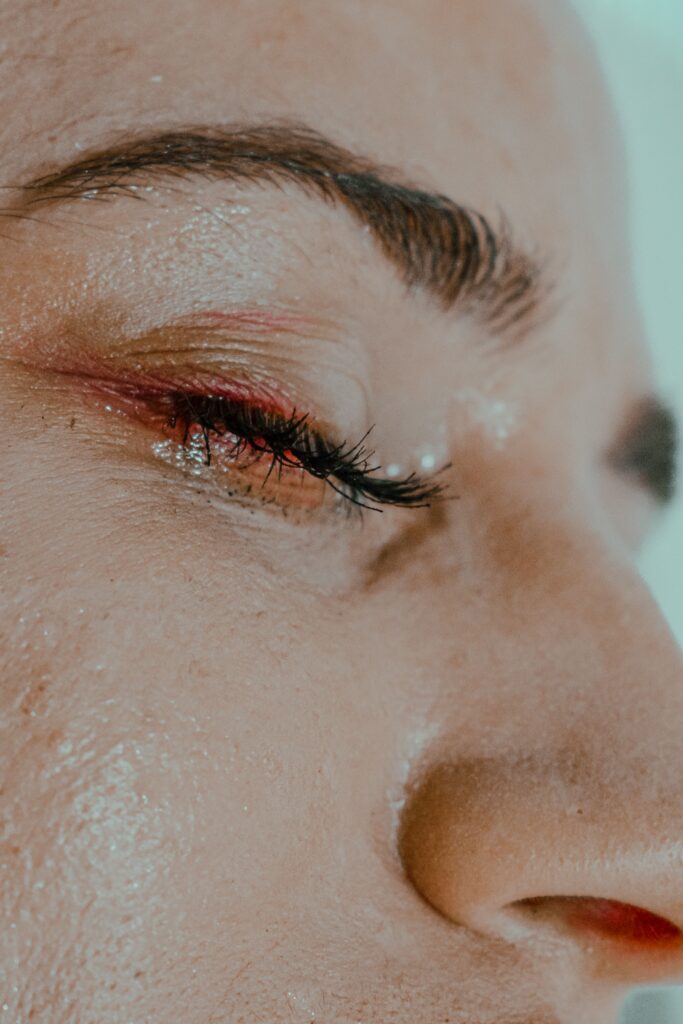
Oily skin is a skin type. Dehydration is a skin condition. The two are not opposites — they can absolutely happen at the same time.
Here’s the simple version: oil (sebum) and water are two completely separate systems in your skin.
| Skin Factor | What It Controls | What Happens When It’s Low |
|---|---|---|
| Oil (sebum) | Softness, barrier sealing | Flaking, roughness, true dryness |
| Water | Plumpness, elasticity, glow | Tightness, dullness, fine lines — even with oil present |
When your skin loses water, it senses damage to its barrier and panics. Its emergency response? Pump out more oil to try to seal in whatever moisture is left. This is why dehydrated oily skin often looks shinier than normal oily skin, not less.
If you’ve already used our Skin Turgor Test to check your hydration levels and got a “dehydrated” result despite having oily skin, this is exactly why — the test measures water, not oil.
Why This Gets Missed So Often

Most people assume shine = enough moisture. So when oily-skin dehydration hits, the instinct is to reach for stronger cleansers, mattifying products, or oil-free everything — which strips even more water and makes the cycle worse.
7 Signs Your Oily Skin Is Actually Dehydrated
- Shiny T-zone, tight cheeks — oil and tightness showing up in the same face at the same time
- Makeup slides off by midday despite a “greasy” feel underneath
- Fine lines appear around the eyes or mouth that weren’t there before, especially in dry weather or AC
- Skin feels tight right after cleansing, even though it looks oily an hour later
- Breakouts increase without any diet or product changes — dehydrated skin disrupts the barrier, letting bacteria in more easily
- Dull, uneven tone under the shine, instead of a healthy natural glow
- Products “sit” on top of skin instead of absorbing, or pill up during application
If three or more of these sound familiar, your oily skin most likely needs water, not less oil.
What Causes Dehydrated Oily Skin
Over-Cleansing and Harsh Products
Foaming cleansers, alcohol-based toners, and daily strong exfoliants strip natural oils fast. Your skin overcorrects by making even more sebum, while water loss continues underneath — a double hit. Dermatologists note that this rebound effect is a genuine skin response, not a myth, and it’s explained in detail by Glow Recipe’s skincare experts, who break down why oily skin types are just as prone to water loss as any other.
Skipping Moisturizer
Many people with oily skin avoid moisturizer altogether, fearing it will add more oil. In reality, skipping this step removes your skin’s main daily water source, worsening dehydration.
Environment and Lifestyle
- Air conditioning and heating both pull moisture from skin
- Low water intake reduces hydration at a cellular level
- High caffeine or alcohol intake increases fluid loss
- Sun exposure damages the skin’s ability to retain water
Wrong Product Formulations
Heavy oil-based products don’t add water, they just seal the surface. If used without a hydrating step first, they trap dryness underneath a shiny top layer.
Dehydrated Oily Skin vs. Regular Oily Skin: Quick Comparison
| Feature | Regular Oily Skin | Dehydrated Oily Skin |
|---|---|---|
| Shine | Consistent throughout the day | Appears suddenly or unevenly |
| Feel after cleansing | Comfortable | Tight, uncomfortable |
| Texture | Smooth, thick | Rough patches mixed with shine |
| Fine lines | Minimal | Noticeable, especially around eyes |
| Response to water-based serum | Neutral | Visibly calms and plumps skin fast |
| Breakouts | Type-related, usually consistent | Sudden increase, barrier-linked |
How to Fix Dehydrated Oily Skin (Step-by-Step)
Step 1: Switch to a Gentle, Hydrating Cleanser
Avoid foaming cleansers with sulfates. Choose a gel or cream-gel cleanser that removes oil and makeup without stripping water content.
Step 2: Add a Water-Based Hydrating Serum
Hyaluronic acid is the single most effective ingredient here — it binds water directly into the skin without adding oil. Apply to slightly damp skin so it has moisture to grab onto.
Step 3: Use a Lightweight, Oil-Free Moisturizer
Skipping moisturizer is the biggest mistake with oily skin. Choose a gel-cream or water-gel formula labeled “non-comedogenic” to seal in hydration without clogging pores.
Step 4: Rebuild the Barrier
Ingredients like niacinamide, ceramides, and panthenol help repair the skin barrier so it stops overproducing oil as a defense response.
Step 5: Hydrate From the Inside
Topical products can only do so much. Steady water intake throughout the day supports skin hydration at the source. For a deeper breakdown of internal hydration habits, see our guide on how to fix dehydrated skin.
Step 6: Reduce Actives Temporarily
If you’re using strong acids or retinoids, cut back to 2–3 times a week while your skin recovers. Overuse of actives is a common hidden cause of ongoing dehydration.
Best Ingredients for Dehydrated Oily Skin
| Ingredient | What It Does | Look For It In |
|---|---|---|
| Hyaluronic Acid | Binds water into skin | Serums |
| Niacinamide | Balances oil, repairs barrier | Serums, moisturizers |
| Glycerin | Draws moisture into skin | Cleansers, moisturizers |
| Ceramides | Rebuilds skin barrier | Moisturizers |
| Panthenol | Soothes and hydrates | Serums, moisturizers |
| Squalane | Lightweight hydration, non-greasy | Face oils, serums |
Ingredients and Habits to Avoid
- Sulfate-based foaming cleansers
- Alcohol-based toners (denatured alcohol, “SD alcohol”)
- Skipping moisturizer entirely
- Over-exfoliating (more than 2–3 times weekly)
- Very hot water when washing your face
How to Test If Your Oily Skin Is Actually Dehydrated
Before changing your whole routine, confirm the problem. A quick at-home test removes the guesswork.
The Modified Pinch Test for Oily Skin
- Wash your face and pat it dry — don’t apply any products.
- Wait 30 minutes.
- Gently pinch a small section of skin on your cheek between your thumb and index finger.
- Hold for 2–3 seconds, then release.
- Watch how fast the skin flattens back.
If it snaps back instantly, hydration is likely fine and your oiliness is just your natural skin type. If it takes a second or two to smooth out, or briefly “tents,” water levels are low — even though the surface looks shiny. This is the same principle behind our full Skin Turgor Test guide, applied specifically to the face.
The 30-Minute Blot Test
Blot your T-zone with blotting paper first thing in the morning, before any products. Regular oily skin will show a fairly even oil pattern. Dehydrated oily skin often shows oil concentrated only in the T-zone, with the cheeks feeling tight, rough, or flaky in patches — a mixed pattern that’s a strong clue you’re dealing with dehydration, not just oil.
Common Myths About Oily Skin and Hydration
Myth 1: “Oily skin doesn’t need moisturizer”
This is the single biggest reason oily skin becomes dehydrated. Skipping moisturizer removes a key water-delivery step, forcing skin to compensate with even more oil.
Myth 2: “If my skin is shiny, it’s hydrated”
Shine is oil on the surface. Hydration is water inside the skin cells. You can have plenty of one and very little of the other — that mismatch is exactly what dehydrated oily skin is.
Myth 3: “Drying out my skin will reduce oil production long-term”
Stripping oil triggers your skin to produce more, not less, as a defense response. This creates a repeating cycle: strip, rebound oilier, strip again.
Myth 4: “Oily skin ages slower, so dehydration doesn’t matter”
Dehydration accelerates the appearance of fine lines regardless of skin type. Oily skin isn’t protected from this — it just hides it better at first, until the water deficit becomes severe enough to show.
Sample Morning and Night Routine for Dehydrated Oily Skin
| Time | Step | Purpose |
|---|---|---|
| Morning | Gentle gel cleanser | Removes oil without stripping water |
| Morning | Hyaluronic acid serum (on damp skin) | Locks in water |
| Morning | Oil-free gel moisturizer | Seals hydration, controls shine |
| Morning | SPF 30+ | Prevents UV-related water loss |
| Night | Double cleanse (oil cleanser, then gel cleanser) | Removes makeup/sunscreen fully without harsh stripping |
| Night | Niacinamide serum | Repairs barrier, balances oil |
| Night | Lightweight night moisturizer | Supports overnight repair |
Consistency matters more than product count here. A simple 4–5 step routine followed daily will outperform a complicated 10-step routine used inconsistently.
How Long Until You See Results
Most people notice less tightness and calmer shine within 3–5 days of switching to a hydration-first routine. Full barrier repair — where breakouts settle and fine lines soften — typically takes 3–4 weeks of consistent use. If you see no change after a month, an underlying condition like rosacea or eczema may be contributing, and it’s worth checking with a dermatologist.
Quick Answer Summary
Dehydrated oily skin is caused by low water content, not excess oil — and the fix is adding lightweight hydration, not stripping more oil away. A gentle cleanser, a hyaluronic acid serum, and an oil-free moisturizer used consistently will usually show visible improvement within one to two weeks.
Who Is Most Likely to Get Dehydrated Oily Skin
Certain habits and life stages make this combination more common than people expect.
| Group | Why It Happens |
|---|---|
| People using acne treatments | Retinoids and benzoyl peroxide strip water fast while oil glands stay active |
| Frequent AC/heating exposure (office workers) | Constant climate control pulls moisture from the air and skin |
| Coffee or alcohol-heavy lifestyles | Both have diuretic effects that reduce skin water content |
| People who over-cleanse (2x foaming wash daily) | Strips the barrier faster than it can rebuild |
| Anyone in hot, humid climates using mattifying products | Products remove surface oil, but humidity tricks people into skipping hydration |
If you fall into more than one of these categories, dehydrated oily skin is worth checking for even if you’ve never had skin concerns before.
Final Thoughts
Oily skin and dehydration aren’t opposites — they’re often a package deal, and once you know the difference between oil and water, spotting it becomes second nature. The moment you start treating your skin’s real problem (water, not oil), the shine, tightness, and breakouts tend to settle down together. Start with a hydrating serum today, and give your skin two weeks before judging the results — real barrier repair takes a little time, but it’s worth it for skin that finally feels balanced instead of fighting itself.