
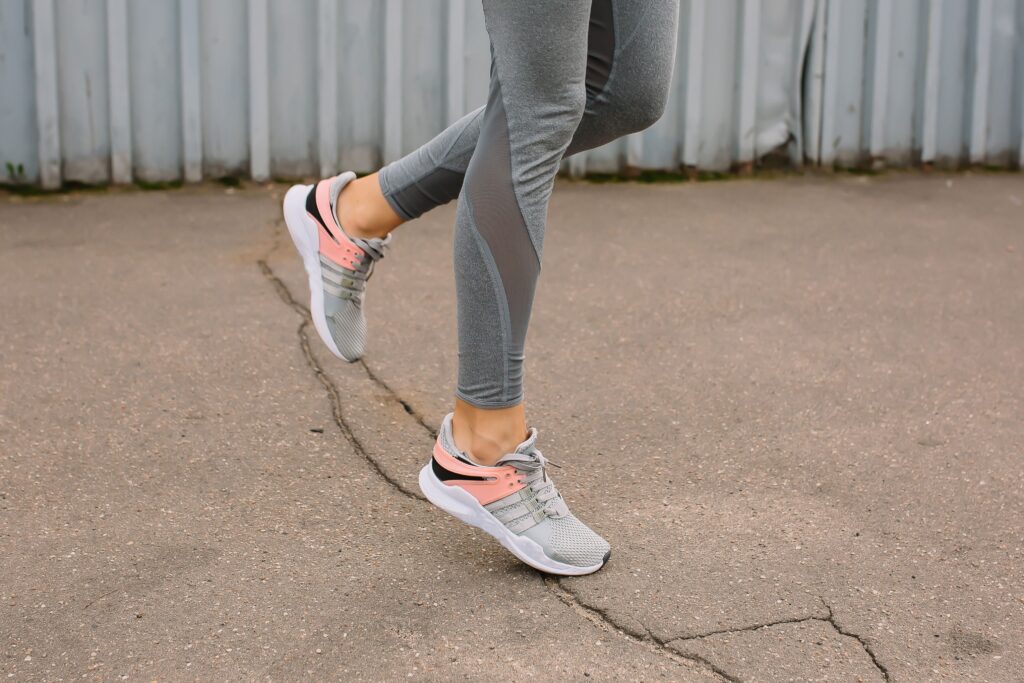
Walking After Dinner for Weight Loss: 7 Easy Beginner Tips That Feel Doable
Walking after dinner for weight loss can help beginners add gentle movement, reduce evening sitting, and build a simple routine.
Start with 10 minutes after dinner, keep the pace easy, and slowly build toward 20–30 minutes if it feels comfortable.
This guide on walking after dinner for weight loss is made for beginners who want a simple evening habit that feels easy to repeat.
Walking after dinner sounds almost too simple.
But that is exactly why it can work.
You do not need a gym.
You do not need to run.
You do not need a complicated evening workout.
You just finish dinner, wait a little if needed, put on comfortable shoes, and take a gentle walk.
For many beginners, the evening is when weight loss routines fall apart. You may sit for hours, snack without thinking, feel tired, or tell yourself you will start again tomorrow.
That is where walking after dinner for weight loss can help.
It gives your evening a small healthy habit.
Not extreme.
Not stressful.
Not hard to understand.
Just a simple walk that helps you move more and stay consistent.
In this guide, you will learn how long to walk after dinner, what pace to use, what mistakes to avoid, and how to make this habit easy enough to repeat.
Quick Answer: Is Walking After Dinner Good for Weight Loss?

Yes, walking after dinner for weight loss can be helpful because it adds extra daily movement and may reduce the habit of sitting or snacking right after eating.
For beginners, a good starting point is:
| Beginner Level | Walking Time After Dinner | Pace | Goal |
|---|---|---|---|
| Very new beginner | 5–10 minutes | Slow and easy | Build the habit |
| Beginner | 10–15 minutes | Gentle | Move after eating |
| Comfortable beginner | 15–20 minutes | Easy to moderate | Increase consistency |
| Progressing beginner | 20–30 minutes | Comfortable brisk | Support weight loss routine |
According to the CDC, adults can aim for 150 minutes of moderate activity per week, and brisk walking can count toward that goal.
But you do not need to start with 30 minutes after dinner.
Start small.
A 10-minute walk is a strong beginning.
The best part about walking after dinner for weight loss is that you can start with only 10 minutes and build slowly.
Why Walking After Dinner Can Help Beginners

The biggest benefit of walking after dinner is that it makes your evening more active.
Many people are active in the morning or afternoon, but after dinner, they sit for the rest of the night.
That can make weight loss harder because total daily movement stays low.
Walking after dinner for weight loss helps by adding movement at a time when many people usually stop moving.
It can also help you:
- Build an easy evening routine
- Reduce long sitting time
- Avoid mindless snacking
- Increase daily steps
- Feel more active after dinner
- Create a calm habit before bed
- Stay consistent with walking
Mayo Clinic explains that walking can support weight loss because physical activity helps your body burn calories.
But remember this:
Walking after dinner does not magically burn fat overnight.
It works best when you repeat it regularly and combine it with simple food habits.
How Long Should You Walk After Dinner?
For beginners, start with 10 minutes.
That is enough to build the habit without making your evening feel difficult.
Once 10 minutes feels easy, build toward 15, then 20, then 30 minutes.
Beginner After-Dinner Walking Plan
| Week | After-Dinner Walking Time | Days Per Week |
|---|---|---|
| Week 1 | 10 minutes | 4 days |
| Week 2 | 15 minutes | 4–5 days |
| Week 3 | 20 minutes | 5 days |
| Week 4 | 20–30 minutes | 5 days |
If you are not sure how many minutes you should walk overall, read this guide on how long should you walk to lose weight.
That article will help you understand daily walking time better.
For this article, keep it simple:
Start with 10 minutes after dinner.
For walking after dinner for weight loss, beginners should focus on consistency before increasing speed or time.
Then increase slowly.
Should You Walk Immediately After Dinner?
You do not have to walk immediately.
If your meal was light, a gentle walk soon after dinner may feel fine.
If your meal was heavy, wait 10–20 minutes before walking.
Listen to your body.
Simple Timing Guide
| Dinner Type | When to Walk | Best Pace |
|---|---|---|
| Light dinner | After 5–10 minutes | Easy |
| Normal dinner | After 10–20 minutes | Gentle |
| Heavy dinner | Wait 20–30 minutes | Slow |
| Very full or uncomfortable | Wait longer | Very easy or skip |
The goal is not to push hard after eating.
The goal is gentle movement.
For walking after dinner for weight loss, comfort matters more than speed.
These simple tips will help you make walking after dinner for weight loss easier, safer, and more realistic.
7 Easy Tips for Walking After Dinner for Weight Loss
1. Start With Only 10 Minutes
The easiest mistake is starting too big.
Many beginners decide they will walk 45 minutes every night.
Then after a few days, they feel tired and stop.
Do not do that.
Start with 10 minutes.
A short walk is easier to repeat, and repeatability is what matters most.
Simple 10-Minute After-Dinner Walk
| Time | What to Do |
|---|---|
| 0–2 minutes | Slow warm-up |
| 2–8 minutes | Easy walking |
| 8–10 minutes | Slow cool down |
This may look too simple.
But simple gets done.
If you are completely new, start with this full guide on walking for weight loss for beginners.
That will help you build your walking habit from the beginning.
2. Keep the Pace Gentle After Eating
Your after-dinner walk should not feel like a hard workout.
This is not the best time to push your body too much, especially if you just ate.
Keep the pace easy.
You should be able to talk comfortably.
Pace Guide for After-Dinner Walks
| Pace | How It Feels | Best Use |
|---|---|---|
| Slow | Very relaxed | Heavy dinner or tired days |
| Easy | Comfortable and calm | Best for most beginners |
| Moderate | Slightly active | When dinner was light |
| Brisk | Faster but controlled | Only if you feel ready |
For walking after dinner for weight loss, gentle consistency is better than forcing intensity.
If you want a stronger walking session, do your harder walk earlier in the day or use a planned workout.
If your evening walk feels too easy and you want structure, try this 30-minute walking workout for beginners on another part of the day.
3. Avoid Walking Too Hard After a Heavy Meal
A hard walk right after a heavy dinner can feel uncomfortable.
You may feel bloated, tired, or slow.
That does not mean walking is bad.
It means the timing or pace may be too much.
Better options after a heavy dinner
- Wait 20–30 minutes
- Walk slowly
- Keep it 5–10 minutes
- Avoid hills
- Avoid fast intervals
- Skip if you feel uncomfortable
Walking after dinner should feel helpful, not stressful.
If your dinner was large, keep your walk light.
The purpose is to build the habit.
Not to punish yourself for eating.
4. Make It a Night Routine
A habit becomes easier when it has a clear trigger.
Dinner can become your trigger.
Instead of asking, “Should I walk tonight?” make it automatic:
Dinner finished → shoes on → short walk.
This makes walking after dinner for weight loss easier to repeat.
A fixed evening routine makes walking after dinner for weight loss easier to follow without thinking too much.
Simple Routine Example
| Step | What to Do |
|---|---|
| Step 1 | Finish dinner |
| Step 2 | Wait 10 minutes |
| Step 3 | Put on walking shoes |
| Step 4 | Walk 10–15 minutes |
| Step 5 | Come back and relax |
Keep your routine boring and easy.
That is a good thing.
Complicated routines are harder to repeat.
Simple routines become habits.
5. Use It to Reduce Evening Snacking
Evening snacking is one reason many beginners struggle with weight loss.
You may not be hungry.
You may just be tired, bored, or sitting near food.
A short after-dinner walk can break that pattern.
Instead of going straight from dinner to the couch, you move your body for 10–20 minutes.
This creates a small gap between eating and snacking.
Evening Snack Check
Before grabbing a snack, ask:
- Am I actually hungry?
- Am I just bored?
- Did I drink water today?
- Would a short walk help me reset?
- Can I wait 10 minutes?
This is not about restriction.
It is about awareness.
If you are hungry, eat something balanced.
But if you are snacking out of habit, walking can help change the evening pattern.
6. Track Your Weekly Walks
You do not need a complicated fitness app.
But tracking your walks can help you stay consistent.
If you are serious about walking after dinner for weight loss, track how many days you actually walk.
Simple Weekly Tracking Table
| Day | Walk Completed? | Time | How It Felt |
|---|---|---|---|
| Monday | Yes/No | 10 min | Easy/Okay/Hard |
| Tuesday | Yes/No | 10 min | Easy/Okay/Hard |
| Wednesday | Yes/No | 15 min | Easy/Okay/Hard |
| Thursday | Yes/No | Rest | — |
| Friday | Yes/No | 15 min | Easy/Okay/Hard |
| Saturday | Yes/No | 20 min | Easy/Okay/Hard |
| Sunday | Yes/No | 10 min | Easy/Okay/Hard |
Tracking shows patterns.
Maybe you skip walks on busy nights.
Maybe 20 minutes feels too long.
Maybe you are more consistent when you walk with someone.
Once you know the pattern, you can adjust.
For a full weekly routine, follow this 7-day walking plan for weight loss for beginners.
7. Slowly Build Toward 20–30 Minutes
Once 10 minutes feels easy, increase slowly.
Do not rush.
A 20-minute after-dinner walk done consistently can be more useful than a 45-minute walk you rarely complete.
Walking after dinner for weight loss works best when you increase your time slowly instead of forcing long walks too soon.
Easy Progress Plan
| Stage | Walking Time | When to Move Up |
|---|---|---|
| Stage 1 | 10 minutes | When it feels easy |
| Stage 2 | 15 minutes | After 1 week |
| Stage 3 | 20 minutes | After 2–3 weeks |
| Stage 4 | 25–30 minutes | When your routine feels natural |
For walking after dinner for weight loss, your goal is a routine that feels sustainable.
Not extreme.
Not perfect.
Sustainable.
That is what helps long-term progress.
Walking After Dinner vs Morning Walk
Both can help.
The best choice depends on your schedule and energy.
Comparison Table
| Walking Time | Best For | Possible Downside |
|---|---|---|
| Morning walk | Starting the day active | Hard if mornings are busy |
| Lunch walk | Breaking up sitting time | Limited time |
| After-dinner walk | Evening routine and less sitting | May feel hard after heavy meals |
| Treadmill walk | Weather-proof option | Can feel boring |
A morning walk may help people who want to finish exercise early.
An after-dinner walk may help people who struggle with evening sitting or snacking.
You can also do both:
- 10 minutes in the morning
- 10 minutes after dinner
That gives you 20 minutes without needing one long walk.
Walking After Dinner for Weight Loss: 7-Day Beginner Schedule
Here is a simple beginner schedule.
Use it this week.
| Day | Walking Time After Dinner | Pace |
|---|---|---|
| Day 1 | 10 minutes | Easy |
| Day 2 | 10 minutes | Easy |
| Day 3 | 15 minutes | Gentle |
| Day 4 | Rest or 5 minutes | Very easy |
| Day 5 | 15 minutes | Easy |
| Day 6 | 20 minutes | Comfortable |
| Day 7 | 10 minutes | Relaxed |
This plan is beginner-friendly.
It gives your body time to adapt.
If you miss one day, do not quit.
Just continue the next day.
How to Make Walking After Dinner Easier
The easier your walk feels, the more likely you are to repeat it.
Use small tricks.
Simple Habit Tips
- Keep shoes near the door
- Choose a safe route
- Walk with a family member
- Listen to calm music
- Keep the walk short at first
- Avoid checking the scale every day
- Walk before sitting on the couch
- Use the same route each night
- Prepare a light jacket if needed
- Track completed walks
The key is to reduce friction.
If getting ready feels difficult, you will skip it.
Make it easy.
What to Eat Before an After-Dinner Walk
You do not need a special meal.
But you may feel better if dinner is balanced and not too heavy.
Simple Dinner Plate
| Plate Section | What to Add |
|---|---|
| Half plate | Vegetables or salad |
| Quarter plate | Protein like chicken, eggs, fish, beans, tofu, or yogurt |
| Quarter plate | Rice, potatoes, oats, bread, or fruit |
| Small amount | Healthy fats like olive oil, nuts, seeds, or avocado |
A balanced dinner may help you feel full without feeling too heavy.
Try not to eat very large portions right before walking.
If you feel too full, wait before walking.
You can also support hydration with water-rich foods like cucumber, oranges, melon, and soups.
Hydration Tips for Evening Walks
You do not need to drink a huge amount of water right before walking.
That may feel uncomfortable.
Instead, drink water normally throughout the day.
Before longer walks, you can use this <a href=”https://glowfitlab.online/water-intake-calculator/”>water intake calculator</a> to estimate your daily hydration needs.
Simple Hydration Tips
- Drink water earlier in the day
- Sip water after dinner if thirsty
- Avoid drinking too much right before walking
- Drink more if the weather is hot
- Notice thirst, dark urine, or dry mouth
Hydration supports your routine, but do not overthink it.
Keep it simple.
Common Mistakes to Avoid
Mistake 1: Walking Too Fast After Eating
Do not turn your after-dinner walk into a hard workout.
Keep it gentle.
Mistake 2: Starting With Too Much Time
Start with 10 minutes.
Build slowly.
Mistake 3: Thinking One Walk Fixes Everything
Walking helps, but your full routine matters.
Food, sleep, consistency, and daily movement also count.
Mistake 4: Eating Extra Because You Walked
Do not use a short walk as a reason for a big snack.
That can slow progress.
Mistake 5: Skipping When You Miss One Day
Missing one night does not ruin your routine.
Continue the next day.
Mistake 6: Only Watching the Scale
Also track:
- Walking days
- Walking minutes
- Energy
- Sleep
- Clothes fit
- Mood
- Step count
Before longer walks, you can use this water intake calculator to estimate your daily hydration needs.
One common mistake with walking after dinner for weight loss is walking too fast right after a heavy meal.
How Walking After Dinner Fits Into a Weight Loss Routine
Walking after dinner is not the whole plan.
It is one useful habit.
The American Heart Association recommends regular physical activity for adults, preferably spread throughout the week.
That is why an after-dinner walk can be helpful.
It spreads movement into your evening instead of keeping all activity in one part of the day.
A good beginner weight loss routine may include:
- Walking 4–5 days per week
- Balanced meals
- Less sugary drinks
- Enough sleep
- More daily movement
- Less evening snacking
- Simple tracking
- Patience
Walking after dinner becomes more powerful when it supports these habits.
Simple 4-Week After-Dinner Walking Plan
Use this plan if you want to build slowly.
| Week | Goal | Walking Time |
|---|---|---|
| Week 1 | Build habit | 10 minutes, 4 nights |
| Week 2 | Add consistency | 15 minutes, 4–5 nights |
| Week 3 | Add time | 20 minutes, 5 nights |
| Week 4 | Stay steady | 20–30 minutes, 5 nights |
Do not make every week harder.
If week 2 feels difficult, repeat it.
There is no problem with repeating a week.
Progress should feel steady, not stressful.
Signs Your After-Dinner Walk Is Working
The scale is not the only sign.
Look for small changes.
Progress Signs
| Sign | What It Means |
|---|---|
| You walk more nights per week | Your habit is stronger |
| You snack less at night | Your evening routine is improving |
| You feel less sluggish | Movement may be helping your routine |
| You walk longer than before | Your stamina is improving |
| You feel calmer after dinner | Your routine feels better |
| Your steps increase | Your daily movement is higher |
Do not judge everything in one week.
Give your routine time.
Safety Tips for Walking After Dinner
Walking is simple, but safety still matters.
Basic Safety Tips
- Choose a safe route
- Walk in well-lit areas
- Wear comfortable shoes
- Avoid extreme heat
- Carry your phone
- Keep the pace gentle
- Stop if you feel unwell
- Wait longer after a heavy meal
- Walk with someone if possible
If you feel chest pain, dizziness, unusual shortness of breath, or strong discomfort, stop and speak with a healthcare professional.
This article is general wellness information, not personal medical advice.
Final Thoughts: A Small Evening Walk Can Build a Big Habit
Walking after dinner for weight loss works best when you keep it simple.
Start with 10 minutes.
Keep the pace gentle.
Do not walk too hard after a heavy meal.
Use the walk to reduce sitting, build consistency, and create a better evening routine.
Over time, you can build toward 20–30 minutes.
You do not need to be perfect.
You do not need a hard workout.
You do not need to run.
You just need a small routine you can repeat.
A short walk after dinner may not feel dramatic, but it can help you build the kind of daily habit that supports weight loss over time.
Start tonight with 10 easy minutes.