
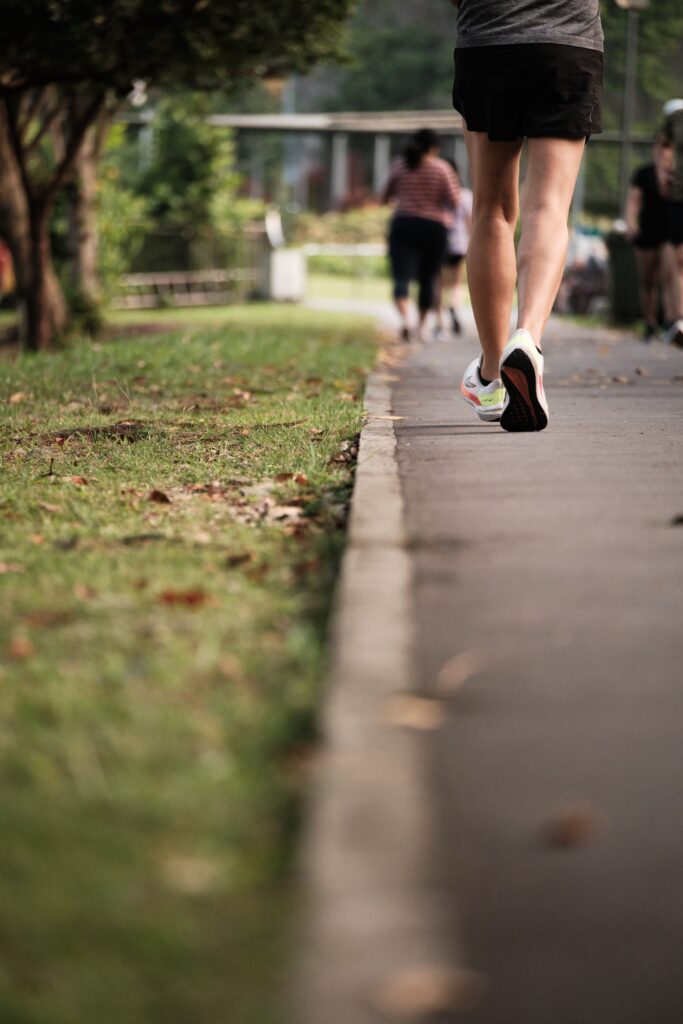
Walking But Not Losing Weight? 9 Easy Fixes That Actually Make Sense
If you are walking but not losing weight, the problem is usually not walking itself.
Most beginners need to adjust walking time, pace, consistency, food habits, or daily movement before results become visible.
Walking is simple.
That is why many people start with it.
You do not need a gym.
You do not need to run.
You do not need a complicated workout plan.
But it can feel frustrating when you are walking regularly and the scale still does not move.
You may start thinking:
“Is walking even working?”
“Am I wasting my time?”
“Why am I walking but not losing weight?”
The honest answer is this:
Walking can support weight loss, but it works best when your whole routine supports your goal.
That includes:
- How long you walk
- How often you walk
- How fast you walk
- What you eat
- How much you sit
- How consistent you are
- How you track progress
This guide will show you the most common reasons you may be walking but not losing weight, plus 9 easy fixes that are realistic for beginners.
No extreme diet.
No harsh workout plan.
No guilt.
Just simple changes that can help your walking routine work better.
Quick Answer: Why Am I Walking But Not Losing Weight?

You may be walking but not losing weight because your walks are too short, your pace is too easy, your food intake is higher than you realize, or your routine is not consistent enough yet.
Here is the simple breakdown:
| Possible Reason | What It Means | Easy Fix |
|---|---|---|
| Walks are too short | You are moving, but total weekly time is low | Build toward 30 minutes |
| Pace is too easy | Your body is not working much harder | Add brisk walking intervals |
| Food intake is high | Extra snacks may cancel progress | Use balanced meals |
| Routine is random | Walking is not happening often enough | Follow a weekly plan |
| Too much sitting | One walk may not offset a very inactive day | Add small movement breaks |
| Scale is your only measure | Progress may be happening in other ways | Track habits and energy too |
According to the CDC, adults can aim for 150 minutes of moderate activity per week, and brisk walking can count toward that goal.
So if you are only walking 10 minutes a few times per week, that is still a good start.
But you may need more walking time, more consistency, and better support habits before weight changes become clear.
First, Remember This: Walking Still Counts
If you are walking but not losing weight, do not assume your walks are useless.
They are not.
Walking can still help you:
- Build stamina
- Improve daily movement
- Reduce sitting time
- Support heart health
- Feel more active
- Improve mood
- Build a healthy routine
- Start exercise without pressure
Mayo Clinic explains that walking can support weight loss because physical activity helps your body burn calories.
But walking works best when it is part of a full routine.
A short walk plus extra snacks may not show results.
A 30-minute walk plus all-day sitting may be slow.
A good week followed by three skipped weeks may not show much progress.
That does not mean walking failed.
It means your routine may need a few smart changes.
9 Reasons You Are Walking But Not Losing Weight

1. You Are Not Walking Long Enough Yet
One of the most common reasons you are walking but not losing weight is that your total walking time is still too low.
A 10-minute walk is a good beginner habit.
But for weight loss support, many people need to slowly build toward longer walks.
That does not mean you need to walk for hours.
It means your weekly walking time matters.
Beginner Walking Time Guide
| Level | Walking Time | Days Per Week | Weekly Total |
|---|---|---|---|
| New beginner | 10 minutes | 4 days | 40 minutes |
| Beginner | 20 minutes | 5 days | 100 minutes |
| Steady beginner | 30 minutes | 5 days | 150 minutes |
| Progressing beginner | 40 minutes | 5 days | 200 minutes |
If you are walking 10 minutes a day, do not jump straight to 60 minutes.
That can feel too hard.
Instead, add 5 minutes at a time.
Easy Fix
Try this simple build-up:
| Week | Goal |
|---|---|
| Week 1 | 15 minutes per walk |
| Week 2 | 20 minutes per walk |
| Week 3 | 25 minutes per walk |
| Week 4 | 30 minutes per walk |
Not sure if your walking time is enough? Read this guide on how long should you walk to lose weight.
2. Your Walking Pace Is Too Easy
Another reason you may be walking but not losing weight is that your pace is too relaxed.
Slow walking is still good.
It is better than sitting.
But if every walk feels very easy, your body may not be working hard enough to create much change.
For better weight loss support, try building toward brisk walking.
Brisk walking does not mean running.
It means walking faster than normal while still staying in control.
Walking Pace Guide
| Pace | How It Feels | Best For |
|---|---|---|
| Slow walk | Very easy | Recovery and starting out |
| Comfortable walk | Easy but active | Building the habit |
| Brisk walk | Breathing faster but controlled | Weight loss support |
| Fast walk | Challenging | More advanced beginners |
A simple test:
If you can talk but singing feels difficult, you are probably walking briskly.
Easy Fix
Add short brisk intervals.
Try this during a 20-minute walk:
| Time | What to Do |
|---|---|
| 0–5 minutes | Easy warm-up |
| 5–6 minutes | Brisk walk |
| 6–8 minutes | Comfortable walk |
| 8–9 minutes | Brisk walk |
| 9–11 minutes | Comfortable walk |
| 11–12 minutes | Brisk walk |
| 12–20 minutes | Comfortable walk |
If your walks feel too easy, try this 30-minute walking workout for beginners.
3. You Are Eating Back the Calories
This is a very common reason people are walking but not losing weight.
After walking, it is easy to think:
“I walked today, so I deserve something extra.”
That is normal.
But a short walk may not burn as much energy as a large snack, sugary drink, or extra dessert.
The American Heart Association recommends regular physical activity for adults and also encourages spending less time sitting.
That can help.
But it can also be canceled out quickly if you add extra food without noticing.
Common After-Walk Habits That Can Slow Progress
| Habit | Why It Can Slow Results |
|---|---|
| Sugary coffee drink | Adds calories quickly |
| Large dessert | May be more than the walk burned |
| Extra chips or snacks | Easy to overeat |
| Big reward meal | Can cancel your progress |
| Sugary drinks | Add energy without much fullness |
Easy Fix
Do not use walking as a reason to overeat.
Instead, focus on meals that keep you full.
Good beginner habits include:
- Add protein to meals
- Eat more vegetables
- Choose water more often
- Reduce sugary drinks
- Keep snacks simple
- Eat slowly
- Avoid eating just because you walked
This does not mean strict dieting.
It means making your walking routine and food habits work together.
4. You Are Not Walking Consistently
If you are walking but not losing weight, check your weekly consistency.
Walking one or two days is helpful.
But weight loss support usually needs repeated effort over several weeks.
A common pattern looks like this:
- Walk a lot for 3 days
- Skip 4 days
- Start again next week
- Stop again when life gets busy
That makes progress harder.
Consistency Check
Ask yourself:
- How many days did I walk this week?
- How many total minutes did I walk?
- Did I walk last week too?
- Am I following a plan or guessing daily?
- Do I skip walks when I feel busy?
If your walks are random, your results may feel random too.
Easy Fix
Follow a simple weekly walking plan.
For a simple weekly routine, follow this 7-day walking plan for weight loss for beginners.
Simple Weekly Walking Routine
| Day | Goal |
|---|---|
| Monday | 20-minute walk |
| Tuesday | 30-minute walk |
| Wednesday | 15-minute easy walk |
| Thursday | 30-minute brisk walk |
| Friday | Rest |
| Saturday | 30-minute walk |
| Sunday | 20-minute relaxed walk |
Consistency is more important than perfection.
A simple plan you repeat is better than a hard plan you quit.
5. You Are Only Checking the Scale
You may think you are walking but not losing weight because the scale has not changed.
But the scale is not the only sign of progress.
Your body weight can change because of:
- Water
- Salt
- Digestion
- Sleep
- Stress
- Hormones
- Muscle soreness
- Meal timing
This means the scale can stay the same for a while, even when your routine is improving.
Better Progress Signs
| Progress Sign | What It May Mean |
|---|---|
| You walk longer | Your stamina is improving |
| You feel less tired | Your fitness is improving |
| Clothes fit better | Body changes may be happening |
| You have more energy | Your routine is supporting you |
| Your mood feels better | Walking is helping your day |
| Your waist measurement changes | Progress may be happening beyond weight |
Easy Fix
Track your habits, not only your weight.
Try tracking:
- Walks completed
- Minutes walked
- Step count
- Energy level
- Waist measurement
- Clothes fit
- Sleep quality
- Mood after walking
If you are walking but not losing weight on the scale, look for non-scale progress too.
6. You Sit Too Much After Walking
A 30-minute walk is helpful.
But if you sit for most of the day after that, your total daily movement may still be low.
This is another reason people are walking but not losing weight.
Your workout matters.
But your whole day matters too.
Easy Fix
Add small movement breaks during the day.
You can:
- Walk for 5 minutes after meals
- Stand while taking phone calls
- Use stairs when possible
- Walk during short breaks
- Stretch after long sitting
- Park farther away
- Take a short evening walk
Simple Daily Movement Plan
| Time of Day | Small Movement Idea |
|---|---|
| Morning | 10-minute walk |
| Lunch | 5-minute walk break |
| Afternoon | Stand and stretch |
| Evening | 15–20 minute walk |
Small movements add up.
They also make your whole day less sedentary.
7. Your Meals Are Not Filling Enough
Sometimes people are walking but not losing weight because their meals are not satisfying.
This can happen when meals are too small, too random, or low in protein and fiber.
Then hunger builds.
Then snacking increases.
Then progress slows.
The goal is not to eat tiny meals.
The goal is to eat meals that help you feel full and steady.
Filling Meal Basics
Build meals with:
- Protein
- Vegetables
- Fiber-rich foods
- Smart carbs
- Healthy fats
- Water-rich foods
Simple Plate Method
| Plate Section | What to Add |
|---|---|
| Half plate | Vegetables or salad |
| Quarter plate | Protein like eggs, chicken, fish, tofu, beans, or Greek yogurt |
| Quarter plate | Rice, potatoes, oats, whole grains, or fruit |
| Small amount | Nuts, avocado, olive oil, or seeds |
Easy Fix
Make meals more balanced instead of making them extremely small.
If you are new to walking, start with this guide on walking for weight loss for beginners before changing your routine.
Before longer walks, you can use this water intake calculator to estimate your daily hydration needs.
8. You Are Not Increasing Your Routine
Your body adapts.
If you do the same easy walk every day for months, your body may become more efficient at it.
That can be good for fitness.
But if your goal is weight loss support, your routine may need small upgrades over time.
This is another reason you may be walking but not losing weight.
Signs Your Walking Routine Is Too Easy
You may need a small change if:
- You never breathe faster
- You finish every walk feeling like you did very little
- You walk the same short route daily
- Your pace never changes
- You do not increase time or steps
- Your routine has felt easy for weeks
Easy Fix
Increase one thing at a time.
| Upgrade | How to Do It |
|---|---|
| More time | Add 5 minutes |
| More pace | Add brisk intervals |
| More days | Add one extra walk |
| More steps | Add 500–1,000 steps |
| More challenge | Add a small hill |
Do not increase everything at once.
That can feel overwhelming.
A smart walking routine should grow slowly.
9. You Expect Results Too Quickly
This is probably the most emotional reason.
You are walking.
You are trying.
You want proof that it is working.
But weight loss does not always show quickly.
You may be walking but not losing weight because your body simply needs more time.
One week is usually not enough to judge.
Even two weeks may be too early.
What May Improve First
Before the scale changes, you may notice:
- Better mood
- Better sleep
- More energy
- Easier breathing
- Better stamina
- Less stiffness
- Better walking confidence
- More daily movement
These signs matter.
They show your routine is becoming stronger.
Easy Fix
Give your walking routine at least 4 weeks before judging it.
Track your actions, not only your weight.
Ask yourself:
- Did I walk more this month than last month?
- Can I walk longer now?
- Is my pace improving?
- Am I more consistent?
- Are my meals more balanced?
- Am I sitting less during the day?
Progress needs time.
Do not quit too early.
Simple Fixes to Make Walking More Effective
If you are walking but not losing weight, do not change everything at once.
Start with 2 or 3 fixes.
Best Beginner Fixes
| Problem | Simple Fix |
|---|---|
| Walks too short | Build toward 30 minutes |
| Pace too easy | Add brisk intervals |
| Too much sitting | Add movement breaks |
| Random routine | Follow a weekly plan |
| Extra snacks | Eat balanced meals |
| Scale stress | Track non-scale progress |
| Low hydration | Drink water regularly |
| No progress | Increase one thing slowly |
Best 3 Fixes to Start This Week
Try these first:
- Walk 4–5 days this week
- Add 3 short brisk intervals to 2 walks
- Avoid using walks as a reason for extra snacks
Keep it simple.
Simple is easier to repeat.
7-Day Reset Plan If You Are Walking But Not Losing Weight
Use this plan for one week.
It is beginner-friendly and realistic.
| Day | Walking Goal | Extra Focus |
|---|---|---|
| Day 1 | 20-minute easy walk | Track your starting point |
| Day 2 | 25-minute walk | Add 2 brisk intervals |
| Day 3 | 15-minute recovery walk | Reduce sitting time |
| Day 4 | 30-minute walk | Keep meals balanced |
| Day 5 | Rest or 10-minute walk | Hydration focus |
| Day 6 | 30-minute brisk walk | Add one movement break |
| Day 7 | 20-minute relaxed walk | Review the week |
You can also add water-rich foods like cucumber, oranges, melon, and soups to support hydration.
This reset plan is not extreme.
It simply gives your walking routine more structure.
What to Track Instead of Only Weight
If you are walking but not losing weight, track more than the number on the scale.
Weekly Tracking Table
| What to Track | Why It Helps |
|---|---|
| Walks completed | Shows consistency |
| Total walking minutes | Shows weekly effort |
| Brisk intervals | Shows intensity |
| Step count | Shows daily movement |
| Energy level | Shows lifestyle improvement |
| Waist measurement | Shows body changes |
| Clothes fit | Shows progress beyond scale |
| Sleep quality | Shows recovery |
Tracking actions helps you stay calm.
It also shows what is actually happening.
When to Be Patient With Progress
Sometimes the best fix is patience.
You may not need a harder plan.
You may need more time.
Be patient if:
- You started walking recently
- You are building from low activity
- Your clothes feel better
- Your stamina is improving
- Your food habits are improving
- Your weekly walking time is increasing
- You feel healthier overall
Walking is not a quick trick.
It is a habit.
And habits need time to show results.
When to Review Your Routine More Carefully
You should review your routine if you have been consistent for 6–8 weeks and still feel stuck.
Look at:
- Walking minutes per week
- Walking pace
- Daily sitting time
- Snacks and drinks
- Sleep
- Stress
- Weekend eating
- Portion sizes
- Medical factors
If you have a health condition, take medication, or feel unsure about weight changes, speak with a healthcare professional.
This article is general wellness information and not personal medical advice.
Final Thoughts: Walking Works Better When the Routine Is Complete
If you are walking but not losing weight, do not give up too quickly.
Walking can still be a strong habit.
But your routine may need small changes.
Maybe you need longer walks.
Maybe you need a brisker pace.
Maybe you need better meal balance.
Maybe you need more consistency.
Maybe you need to stop judging progress only by the scale.
Start with easy fixes.
Walk 4–5 days per week.
Build toward 30 minutes.
Add brisk intervals.
Reduce extra snacks.
Move more during the day.
Track progress beyond weight.
The goal is not perfection.
The goal is a walking routine that feels realistic and helps you improve over time.
If you are walking but not losing weight right now, that does not mean walking is failing.
It may simply mean your plan needs a smarter adjustment.