
Skin Turgor Test: How to Check If Your Skin Is Dehydrated
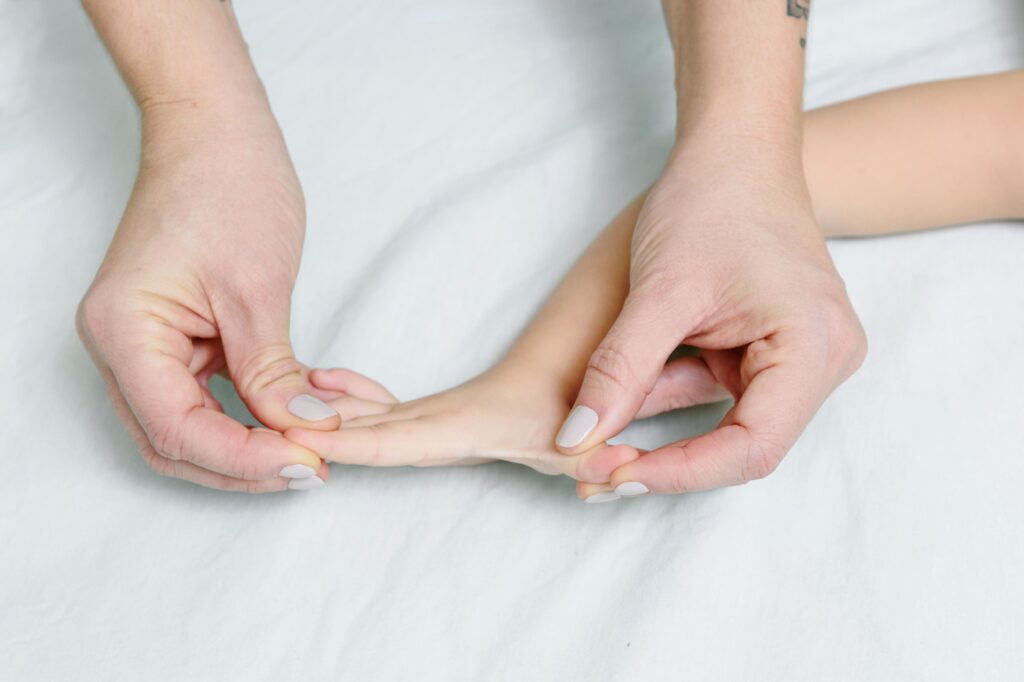
Pinch the back of your hand, hold for a second, then let go. If your skin snaps back instantly, you’re well hydrated. If it stays tented or takes a few seconds to flatten out, that’s the skin turgor test telling you your skin needs water.
It’s the same quick check dermatologists and nurses use to gauge hydration status, and you can do it yourself in about five seconds, no products or tools required.
What Is Skin Turgor, Exactly?
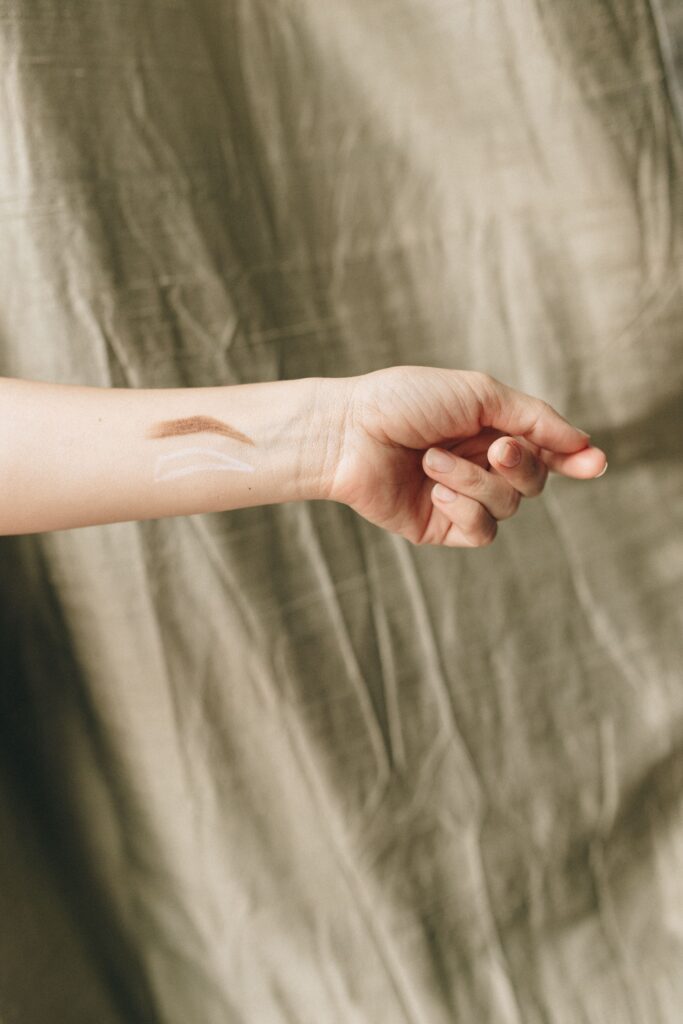
Turgor refers to the elasticity of your skin, how well it snaps back after being pinched or stretched. That elasticity comes from the dermis, the middle layer of skin, which is packed with collagen and elastin. These proteins act like a support structure, and they rely on adequate water content to stay flexible.
When your body is well hydrated, the dermis holds enough fluid to keep that structure firm and responsive. When you’re dehydrated, the dermis loses fluid volume, the skin loses tension, and it takes longer to bounce back into place. That delay is what the test is measuring.
How to Do the Skin Turgor Test
You don’t need a mirror, a device, or a skincare routine to do this. Just follow these steps:
- Choose a spot with looser skin, the back of your hand, your forearm, or your abdomen work best.
- Using your thumb and index finger, gently pinch a small fold of skin. Don’t pull hard, a light pinch is enough.
- Hold for one to two seconds, then release.
- Watch how quickly the skin flattens back out.
That’s it. The whole test takes less time than reading this paragraph.
What Your Results Mean
| Skin Response | What It Suggests |
|---|---|
| Snaps back immediately | Skin is well hydrated |
| Takes 1-2 seconds to flatten | Mild dehydration |
| Takes 2-3+ seconds, slight tenting | Moderate dehydration |
| Skin stays “tented,” very slow to return | More significant fluid loss, worth increasing water intake and paying attention to other symptoms |
If you’re seeing signs in the “moderate” to “tented” range along with other symptoms like a dry mouth, dizziness, or dark urine, that points to whole-body dehydration, not just a skin care issue, and increasing your fluid intake should be a priority.
Why This Test Isn’t Always Reliable on Its Own
The skin turgor test is a helpful at-a-glance check, but it has real limitations worth knowing before you rely on it too heavily.
Skin naturally loses elasticity with age, regardless of hydration status. That means an older adult’s skin might take longer to bounce back even when they’re perfectly hydrated, which can make the test less accurate for people over 65. Body composition matters too. Very lean skin or areas with less underlying fat can behave differently than skin with more padding underneath.
That’s part of why dermatologists usually pair this test with other indicators rather than relying on it alone. If you’ve already gone through the signs of dehydrated skin, tightness, dullness, fine lines that seem to appear out of nowhere, the turgor test works best as a confirmation step, not your only diagnostic tool.
Factors That Affect Your Results Beyond Water Intake
Water intake isn’t the only thing influencing how your skin performs on this test. A handful of other factors can throw off your results in either direction, which is worth knowing before you assume the worst, or the best, about your hydration levels.
| Factor | Effect on Turgor |
|---|---|
| Age | Naturally slower skin recoil, even when well hydrated |
| Sun damage | Breaks down collagen and elastin, reducing elasticity over time |
| Body weight and fat distribution | Areas with less fat underneath the skin may test differently |
| Climate and season | Dry, cold air pulls moisture from skin faster, affecting results |
| Recent alcohol or caffeine intake | Both are diuretics that can temporarily lower hydration levels |
| Skin conditions like eczema | Can compromise the skin barrier independent of water intake |
If you know one of these factors applies to you, it’s worth weighing that against your result rather than treating the test as an absolute. Someone in their 60s with slower-than-average recoil isn’t necessarily dehydrated, but someone in their 20s with the same result probably is.
Who Should Pay Extra Attention to This Test
While anyone can use the skin turgor test as a quick check-in, it’s especially useful for a few groups. People who exercise heavily or spend a lot of time outdoors lose fluid faster through sweat, making regular checks a good habit. Anyone recovering from illness involving vomiting or diarrhea should also keep an eye on it, since those conditions can cause rapid fluid loss.
It’s also a good habit for anyone who’s already dealing with visible signs of dehydrated skin, dullness, tightness, or fine lines that weren’t there before. In those cases, the turgor test gives you a way to track whether your hydration efforts, more water, better skincare, are actually making a difference over time, rather than guessing.
Turgor Test vs. Other Dehydration Signs
| Method | What It Checks | Best For |
|---|---|---|
| Skin turgor test | Elasticity and fluid volume in the dermis | Quick, at-home spot check |
| Visual dullness/tightness | Surface-level hydration and barrier function | Everyday self-assessment |
| Fine line “dehydration lines” | Water content near the skin’s surface | Longer-term hydration tracking |
| Thirst, dry mouth, urine color | Whole-body hydration | Confirming systemic dehydration |
Using more than one of these together gives you a much clearer picture than any single check on its own.
What to Do If Your Skin Fails the Test
A slow-to-bounce-back result isn’t cause for panic, dehydrated skin is one of the most fixable skin concerns out there. Start with the basics: increase your water intake throughout the day, especially if you’ve been leaning on coffee or alcohol, both of which pull water out of your system.
From there, your skincare routine matters just as much as what you’re drinking. A hydrating serum with humectants like hyaluronic acid can help pull water into the skin, while a moisturizer on top helps seal that hydration in so it doesn’t evaporate. If you want a full breakdown of what actually works, our guide on how to fix dehydrated skin walks through nine steps that address both the internal and topical sides of the problem.
It’s also worth ruling out whether what you’re dealing with is dehydration or dry skin, since they’re treated differently. Dry skin is a skin type caused by low oil production, while dehydration is a temporary condition caused by low water content, and it’s entirely possible to have both at once.
Building Hydration Into Your Daily Routine
Since dehydrated skin is so closely tied to overall water intake, the turgor test can double as a helpful daily habit, something you check each morning the same way you’d check the weather. Pairing it with a consistent water intake goal makes it easy to catch dehydration early, before it shows up as dullness or fine lines.
If you’re not sure how much water you actually need, or when during the day it matters most for your skin, it’s worth revisiting the fundamentals. Small, consistent habits do more for hydration than trying to chug water all at once.
The Bottom Line
The skin turgor test is a fast, free way to get a read on your hydration status, pinch, release, and watch how your skin responds. It’s not a perfect diagnostic on its own, especially as skin ages, but paired with the other signs of dehydrated skin, it’s a genuinely useful habit to build into your routine. If your skin consistently fails the test, the fix usually comes down to two things: drinking more water and giving your skin the right hydrating ingredients to hold onto it.